13 Nov 2026
Navigating Symbol Sequence Variations in Regulated Digital Reel Environments Across European Betting Portals
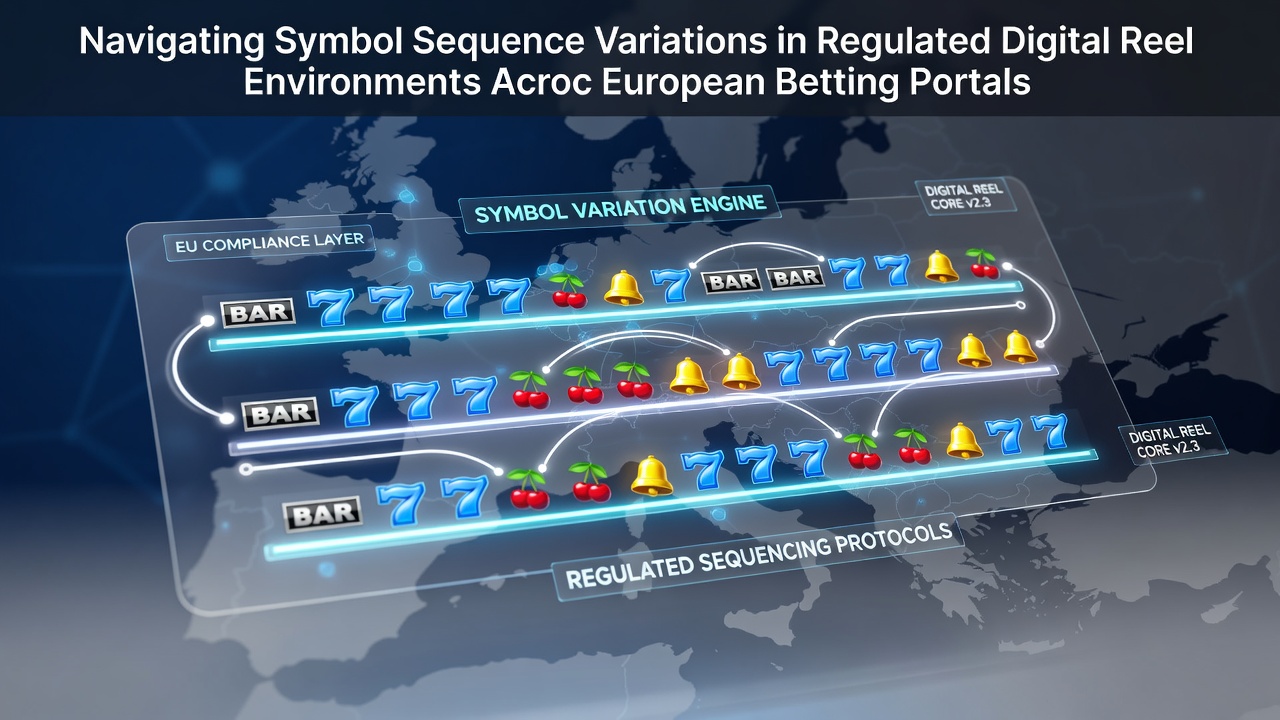
European betting portals operate under layered regulatory structures that shape how symbol sequences appear on digital reels, and observers note that these frameworks produce measurable differences in sequence generation, weighting, and display across national borders. Data from industry reports shows that virtual reel mechanics must satisfy jurisdiction-specific randomness tests before operators receive certification, which in turn affects the frequency and order of symbol combinations players encounter during sessions.
Core Mechanics of Symbol Sequences in Digital Reels
Digital reels rely on pseudorandom number generators that map numerical outputs to predefined symbol positions, and researchers have documented how each jurisdiction imposes distinct mapping tables and verification protocols. In practice, operators must submit reel strip configurations and sequence algorithms for independent laboratory audits, after which regulators approve or reject the proposed distributions based on statistical benchmarks for fairness and unpredictability. Those who've examined certification files across multiple countries report that symbol weighting ratios often vary even when the underlying mathematical model remains similar, because local statutes prioritize different risk thresholds for player exposure to high-frequency or low-frequency outcomes.
Jurisdictional Differences in Sequence Regulation
Sweden's Spelinspektionen requires detailed disclosure of symbol distribution tables before any portal launches new reel titles, whereas Germany's GGL applies additional scrutiny to sequences that could cluster premium symbols within short spin cycles. Spanish authorities at the DGOJ focus instead on transparent paytable documentation that reveals how sequence variations influence return-to-player percentages over extended play periods. These divergent approaches create a patchwork where the same game title may display altered reel layouts depending on the licensing market, and figures from the European Gaming and Betting Association indicate that cross-border operators routinely maintain separate reel databases to satisfy each set of rules.
Observers have tracked how these variations extend to bonus trigger sequences as well. Certain portals must adjust the spacing of scatter symbols or wild placements to meet local caps on bonus round frequency, and this adjustment process sometimes results in entirely different symbol ordering on the virtual strips. Data collected by regulatory laboratories shows that such modifications remain invisible to players yet produce statistically distinct outcome distributions when aggregated across thousands of spins.
Technical Navigation Tools for Operators and Analysts
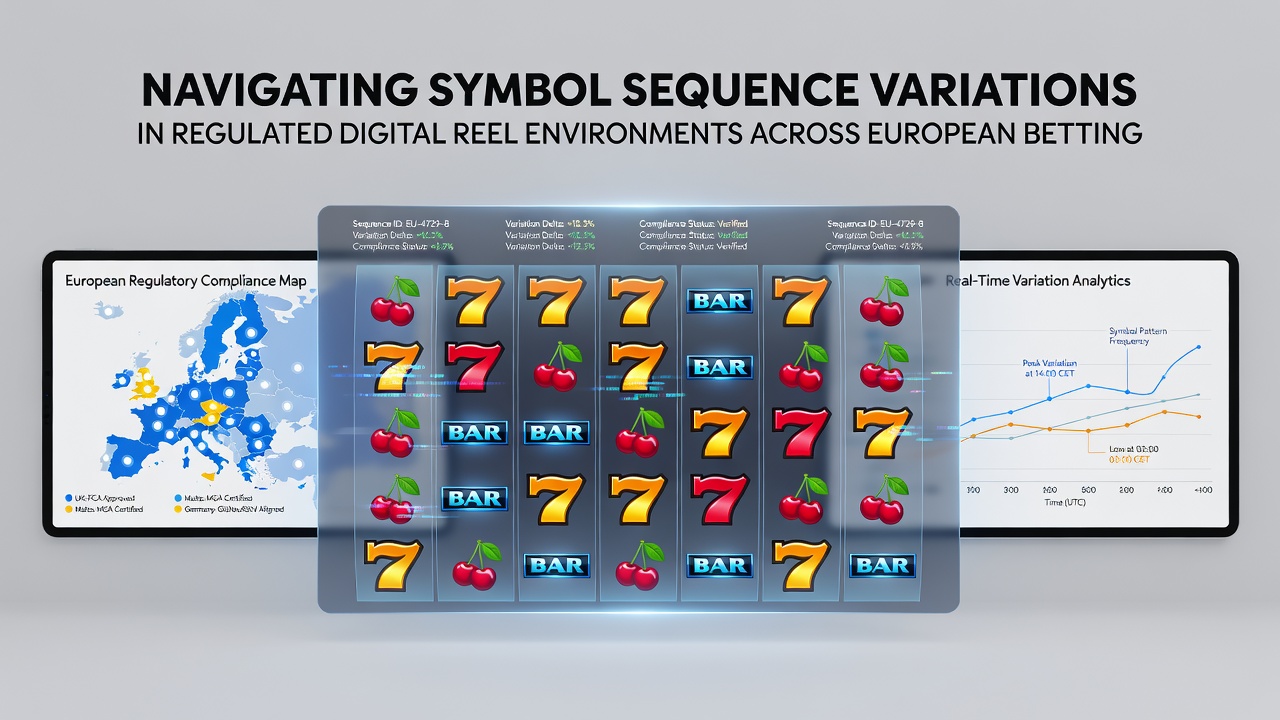
Operators rely on specialized software that compares approved reel configurations against live game outputs, and these tools flag deviations that might signal compliance drift. Analysts at larger portals routinely run Monte Carlo simulations tailored to each market's approved parameters, allowing them to verify that deployed sequences stay within certified bounds. Research published through academic channels demonstrates that such simulation-based monitoring reduces the incidence of regulatory queries during routine audits, particularly when sequence algorithms undergo minor updates for performance optimization.
Portal interfaces often embed jurisdiction selectors that load the correct symbol mapping at the account level, and this backend routing ensures players in different countries see sequences that already align with local approvals. Technical teams maintain version-controlled repositories of reel strips, each tagged with the corresponding regulatory reference numbers, so that any change in one market does not inadvertently affect deployments elsewhere.
Upcoming Adjustments Scheduled for November 2026
Regulatory bodies across several member states have signaled that updated testing protocols for symbol sequence entropy will enter force in November 2026, and these changes will require operators to recalibrate existing reel mappings to meet heightened randomness thresholds. Preliminary guidance documents indicate that laboratories will apply new statistical suites focused on long-range sequence correlation, which may necessitate further adjustments to symbol spacing on virtual reels. Those monitoring the timeline note that portals serving multiple European markets will face staggered implementation dates depending on each country's adoption schedule for the revised standards.
Conclusion
European regulatory diversity produces tangible differences in how symbol sequences manifest within digital reel environments, and operators address these differences through segmented configuration management and continuous verification processes. Data from multiple oversight bodies continues to shape the technical standards that govern sequence generation, while scheduled updates in November 2026 will introduce additional layers of statistical review. The resulting ecosystem requires precise coordination between compliance teams, software developers, and certification laboratories to maintain consistent player experiences across borders without violating any single jurisdiction's rules.